

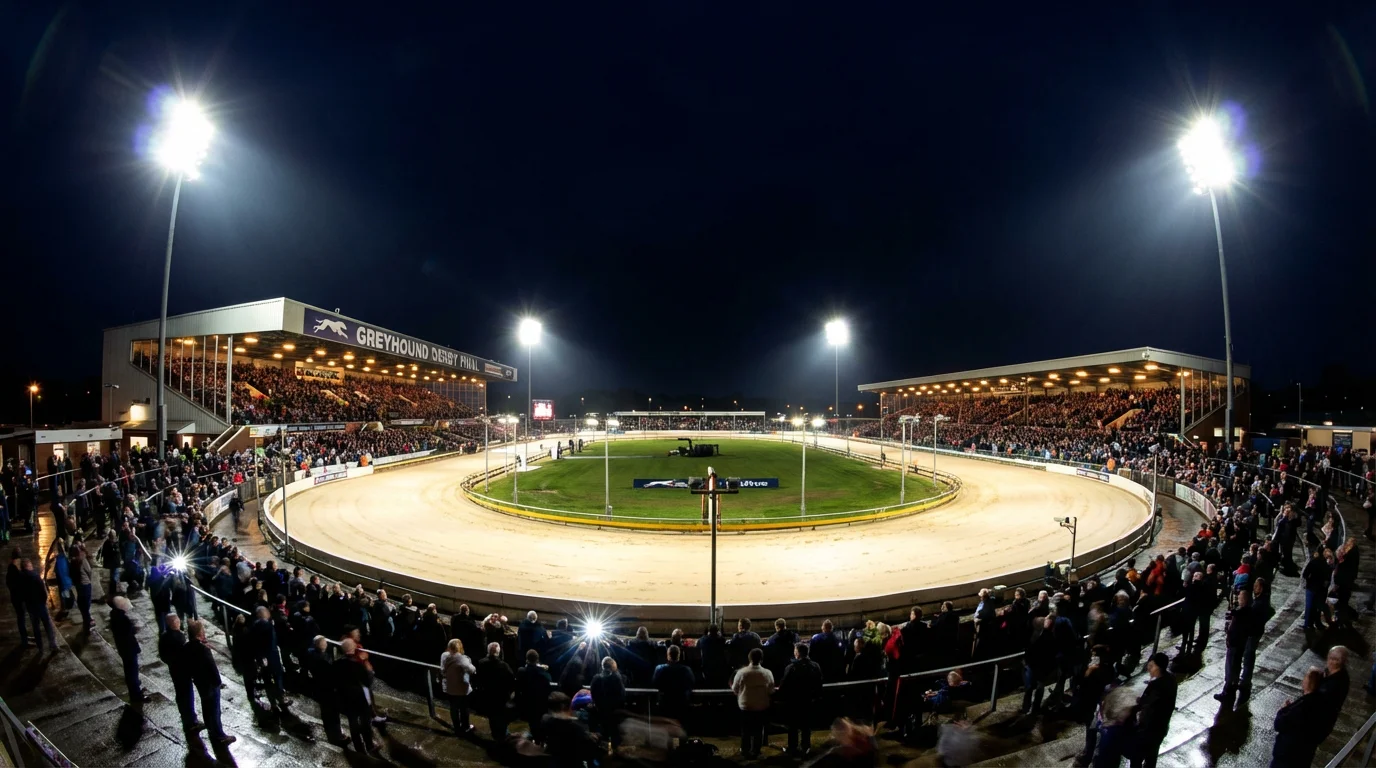
The Derby: A Brief History of the Biggest Dog Race
The English Greyhound Derby is the sport’s championship race — the one event that every owner, trainer, and breeder in the UK and Ireland wants to win. First run in 1927, the Derby has been staged continuously for nearly a century, making it one of the longest-running sporting competitions in British racing. Its history mirrors the broader history of greyhound racing in the UK: periods of massive public interest, decades of institutional respectability, and a modern era of adaptation as the sport finds its place in a changed entertainment landscape. Find more race guides at dogracingoddsuk.
The Derby has moved between venues throughout its history. It was held at White City in London from 1927 to 1984, a period when greyhound racing was a mainstream leisure activity attracting crowds that rivalled football. The event moved to Wimbledon in 1985 and remained there until 2016. It then relocated to Towcester Racecourse in Northamptonshire in 2017, with a brief stint at Nottingham in 2019–2020. Towcester has hosted the Derby since 2021. Each move reflected the shifting geography of the sport — tracks closed, new ones opened, and the Derby followed the strongest available facilities.
The race itself is contested over the standard distance at whichever track hosts it — typically around 500 metres. The field for the final comprises six dogs that have survived multiple elimination rounds over the preceding weeks. The prize money for the winner is the largest in UK greyhound racing and represents a significant financial event for the winning connections, though it remains modest compared to equivalent events in horse racing. The prestige, however, is absolute. A Derby winner’s name enters the record books permanently, and the best Derby champions are remembered for decades.
The event’s significance extends beyond the final night. The preliminary rounds — first-round heats, quarter-finals, semi-finals — generate intense betting interest as the field narrows. Each round produces new form data, eliminates contenders, and reshapes the market for the next stage. For the betting punter, the Derby is not one race but a multi-week campaign of evolving information and shifting odds.
Derby Format and How It Shapes the Odds
The elimination format changes the betting calculus at every stage. The Derby begins with a large entry — often sixty or more dogs from kennels across the UK and Ireland — and reduces the field through successive rounds until six remain for the final. The exact number of rounds varies depending on the entry size, but the structure typically includes first-round heats, second-round heats or quarter-finals, semi-finals, and the final.
Each round is a separate race night with multiple heats, and the dogs that progress are determined by finishing position — usually the first two in each heat advance. This creates a distinctive dynamic for bettors. In the early rounds, the primary question is not which dog will win its heat but which dogs will qualify. A dog does not need to win — it needs to finish in the first two. This shifts the analysis from identifying the winner to identifying the dogs most likely to place, which changes the value of each-way bets and alters the risk profile of win singles.
The elimination structure also means that trap draws are re-allocated at each round. A dog that benefited from an inside draw in the first round might face a wide draw in the semi-finals. Because the draw in open-race events like the Derby is randomised rather than seeded, the positional luck factor is higher than in routine graded racing. A strong dog drawn badly in the semi-final faces a genuine risk of elimination that has nothing to do with its ability, and the market must price that risk into every round.
As the competition progresses, the form generated within the Derby itself becomes the most relevant data. A dog’s heat time, race comment, and running style in the first round directly informs the assessment for the second round — and these in-competition performances often override the pre-Derby form that the market was initially pricing. A dog that looked modest on pre-event form but produced a fast, front-running heat win immediately becomes a more serious contender, and its price will contract sharply between rounds.
The semi-final is the pivotal round for betting purposes. By this stage, the field has been reduced to twelve or eighteen dogs across two or three semi-final heats, and the market has enough in-competition data to price them with reasonable accuracy. The semi-final results then set the market for the final: the fastest semi-final winner often starts as favourite, while a dog that qualified by finishing second in a slow semi might drift to a longer price. The gap between the semi-final market and the final market is where the last significant pricing adjustments occur, and alert punters can find value by interpreting the semi-final performances differently from the consensus.
Ante-Post Derby Betting: The Long Game
Ante-post markets open weeks before the first heats, and the prices available at that stage bear little resemblance to the final market. That disconnect is both the opportunity and the risk of betting on the Derby before it begins.
The ante-post market for the Derby is priced primarily on reputation, kennel form, and trial times in the weeks before the competition. The prices are generous compared to what will be available once the heats begin, because the market is pricing a large field with significant uncertainty about which dogs will progress, which draws they will face, and how they will handle the specific track hosting the event. An ante-post price of 20/1 on a dog that the market believes has a genuine chance might shorten to 6/1 by the semi-final stage once its ability on the Derby track has been confirmed.
The principal risk of ante-post betting is withdrawal. If a dog is withdrawn from the competition before the heats — due to injury, illness, or the connections choosing not to run — your ante-post bet is lost. Unlike standard race-day bets where a non-runner results in a void bet and a returned stake, ante-post rules mean no refund. The price you received reflected the risk of non-participation, and that risk materialised. This is the fundamental trade-off: you accept withdrawal risk in exchange for early prices that are significantly more generous than anything available once the dog is confirmed to run.
A practical approach to ante-post Derby betting is to restrict it to dogs you have strong reason to believe will participate — established open-class performers from major kennels with a track record of entering and competing in the Derby. Speculative ante-post bets on unproven dogs at long prices are tempting but carry a high non-runner rate that erodes long-term returns. The smarter ante-post play is often to wait until the draw for the first round is published — at which point the entry is confirmed and withdrawals are less likely — and take the price before the heats have been run. You sacrifice the very longest ante-post odds but significantly reduce the withdrawal risk. Also check our UK greyhound racing calendar.
The Derby is the one event in greyhound racing that generates genuine mainstream betting interest, attracts substantial exchange liquidity, and produces a form narrative that evolves over weeks rather than minutes. For the punter who follows the competition from heats through to the final, it offers the deepest and most rewarding analytical challenge the sport provides. The key is to engage with it as a process, not a single bet. Each round produces new information, each draw reshuffles the field, and each market adjustment creates a fresh opportunity to disagree with the price.